
As debate continues to rage over Australia’s housing supply shortage, any meaningful conversation about addressing the issue must acknowledge the importance of housing diversity and reforms to residential zoning. South-East Queensland is just one region bearing the brunt of unsustainable demand for homes in recent years with a disturbing number of Queenslanders experiencing housing stress as home prices and rents soar.
Values in Brisbane have surged to record levels, positioning it as Australia’s third least affordable capital city, behind Sydney and Adelaide according to recent data from Cotality.
In light of these developments, Therefor Group and our not-for-profit arm YIMBY Qld – part of the global Yes In My Backyard movement – has been advocating for the establishment of increased and diversified housing within our existing urban footprint to support liveability in our growing cities and regions.
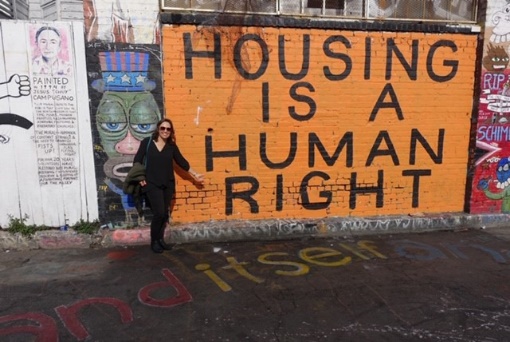
Our advocacy is founded on the principle that access to safe and secure housing is a basic human right. As populations grow, we need to satisfy community demand with the right mix of low-to-medium density options in desirable locations, close to amenities and public transport.
Sustainable housing solutions are key – we know that seeking new outer-suburban areas to support the load of housing supply is not a viable environmental solution.
Rather, our focus is on productive and practical conversations with communities and decision makers about creating cities of the future, where those people already living there are able to stay, and those who want to live there are welcome.
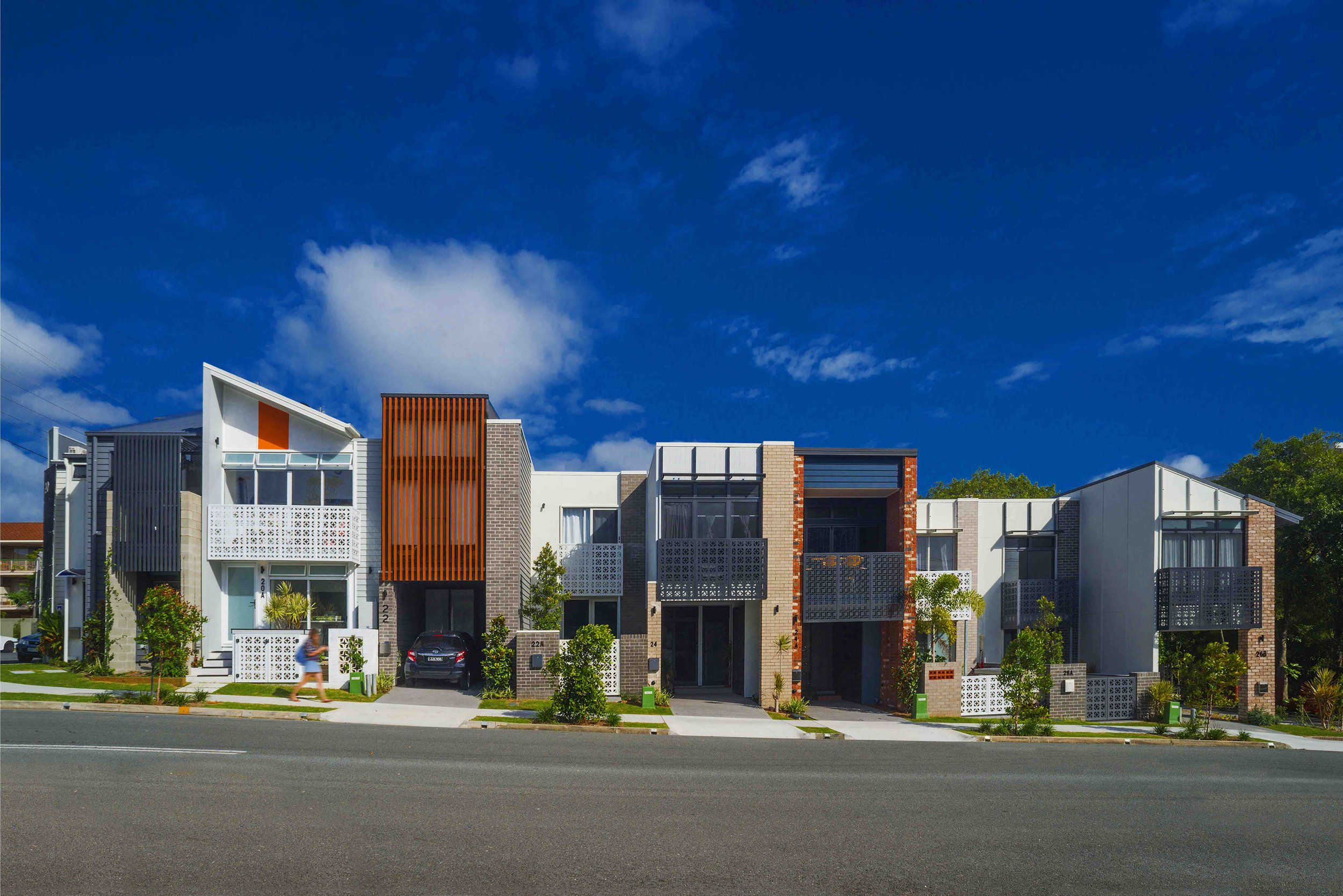
Over the last decade, YIMBY Qld has fought to save, and subsequently return townhouses to our middle ring suburbs, recognising that this type of dwelling is an essential component of the housing spectrum.
Recently, our dedicated advocacy work formed the backbone of our submission to a Brisbane City Council review, designed to find solutions that will deliver more infill housing, especially for young households and downsizers in middle-ring suburbs.
The Challenge
The remit was to identify areas where increased housing density and diversity can be accommodated through changes to building heights, lot sizes and car parking requirements, to deliver 6,000 homes by 2032.
We acknowledge and support the urgent need to increase the construction of well-located additional housing on existing residential sites.
While it is the purpose of the Low Medium Density Residential (LMDR) zone to facilitate this, it is clear the zone is currently underperforming.
The delivery of supply is complicated by several factors, including the limited availability of greenfield land, planning scheme constraints for housing diversity and insufficient incentives for affordable living outcomes.
Brisbane’s current planning framework has added to the complexity of meeting housing supply targets, because of the limited extent of the city where attached housing can be delivered. The LMDR zone comprises of just 14 per cent of land in the Brisbane City Council’s jurisdiction.
The Solutions
Our submission advocated for a range of reforms, including changes to the planning scheme provisions for development in the LMDR zone, expansion of the extend of the LMDR zone, an overhaul of the Low Density Residential (LDR) zone to avoid unintended missed opportunities and the support of planning reform with other incentives, (including financial).
Championing the expansion of the extent of the LMDR zone to include land that is close to high frequency public transport, including bus stops, busway stations, ferry terminals and railway stations, as well as local precincts with shops and services was a key focus area of our submission.
We also highlighted the limitations on housing diversity in the LMDR zone, with townhouses being built on land that would be more efficiently used for low to mid-rise apartments. This has been compounded by the excessive cost to purchase land in well-located suburbs, and the substantial amount of money needed to build apartments, making two-storey townhouses a more viable alternative in many cases.
The submission proposed the removal of minimum lot sizes associated with an approved multiple dwelling and reducing the minimum lot size to 120 sqm across the zone for construction not associated with an approved multiple dwelling.
We also supported increasing building height to three storeys or greater from the current two storey maximum across the LMDR zone, and the enabling of a building height of four-to-five storeys within walking distance of high frequency public transport.
The Result
In a significant step forward for our advocacy work, YIMBY Qld’s steadfast advocacy for housing diversity and reforms to residential zoning was proudly recognised in Brisbane City Council’s proposed LMDR reforms, which were made public in early December.
The Council’s proposed planning changes include:
- Increasing the allowable building height from two-three storeys to three storeys
- Building heights of up to four storeys in some well-located sites near frequent public transport or shops
- Reduction of minimum block sizes from 260sqm to 120sqm
- Expanding the ability to create 300sqm lots in the low-density residential zone to within 300m of a shopping centre, from the current 200m rule
- Simplifying the development assessment process for quicker and easier construction
- Reduced car parking requirements, particularly where close to public transport and centres
The housing supply crisis will not be alleviated without responsible, higher density options in the right locations. These developments harness the potential to enhance or even produce public open spaces, parks, and community precincts that support inclusivity, accessibility and encourage healthy living.
Housing is an inarguable human right, and with proper advocacy, rooted in expert knowledge and proven success we can ensure that right is afforded to us all.