
If you could design the perfect suburb, where would you start?
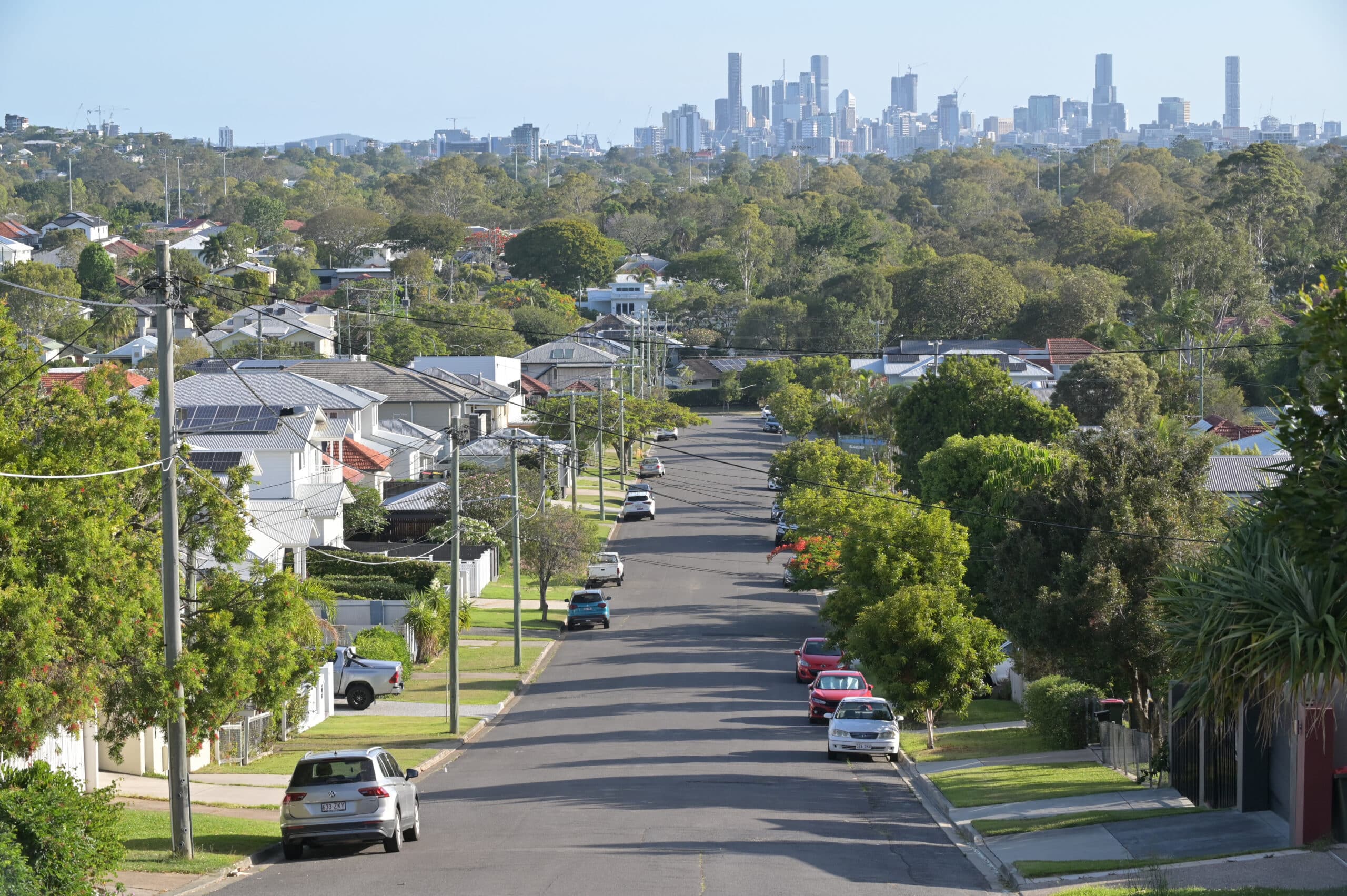
My guess is that your dream suburb wouldn’t resemble many of the new communities that have sprung up in Australia over the past few decades.
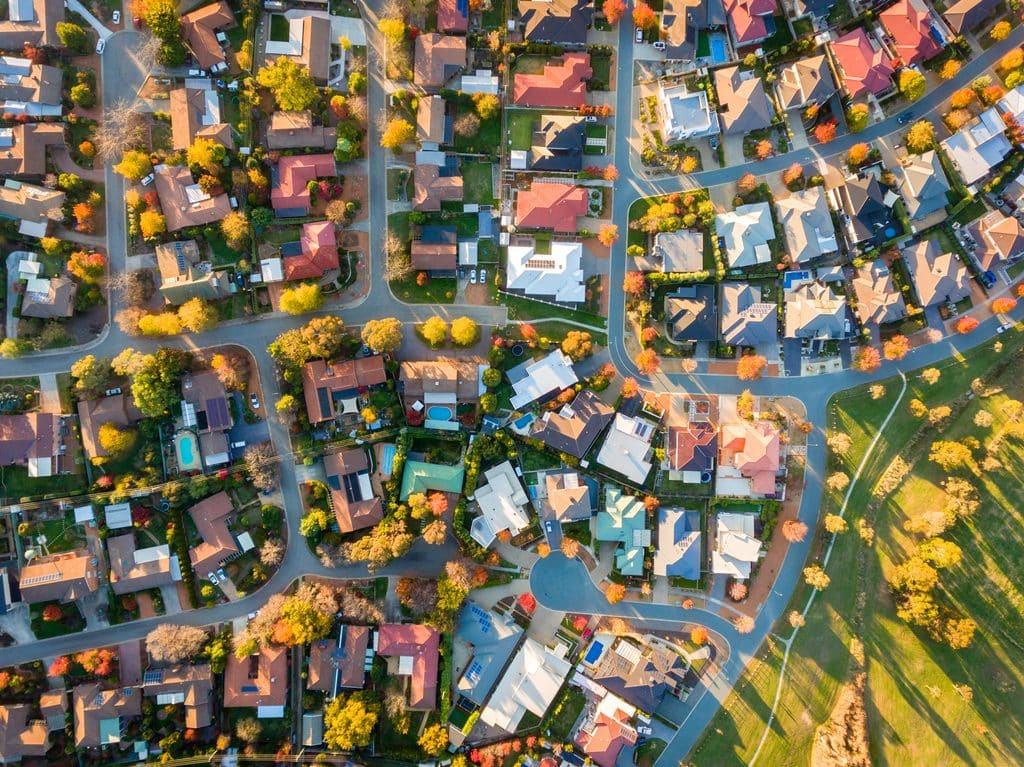
At the recent Australia’s Future Suburbs Symposium, there was discussion around the premise that our suburbs are generic, repetitive and underserviced.
It’s time to reimagine the suburbs. We need a new kind of suburb with more character and less conformity. To achieve this, governments, developers, builders, estate agents and urban designers all need to take some responsibility for building places that have a clear identity and a purpose for the common good.
Change is definitely coming.
Growing up as a Generation Xer, I wanted to live in a house like my parents, or better. Now, we’re seeing the next generation realising they are not going to be able to afford the housing of old, and they are looking for something different.
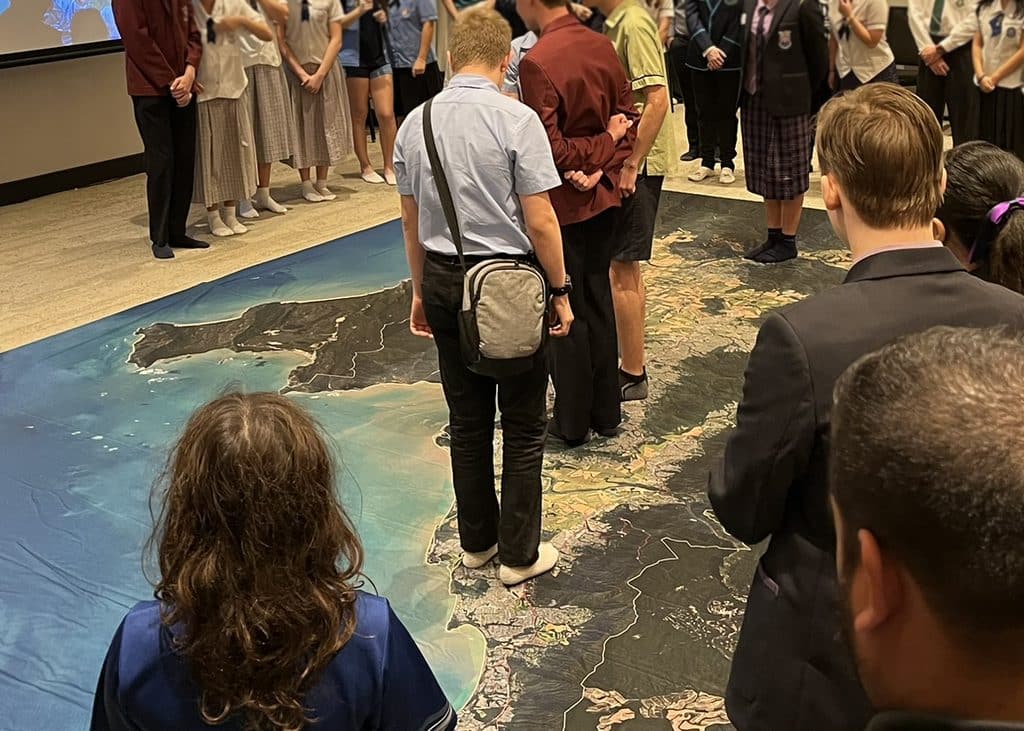
This sentiment was clear during a recent Therefor Group growth strategy assignment for a client in Cairns: as part of this exercise, we worked with groups of high school children from around the Cairns district to conceptualise the design for their perfect suburb.
Cairns is a city of mostly detached housing and it is not known for its high-rise buildings – yet the dream designs of every single one of the school groups focused on high-rise buildings and more communal open space rather than on suburbs that added to urban sprawl.
Our suburbs need to become more adaptable and community focused.
To do this, everyone within the “housing sector” has to stop looking at housing simply as a product or as an industry, because when you do this you move away from looking at each house as a home, and each suburb as a community.
Communities are really starting to push back on this cookie-cutter approach: they want and expect more, they don’t a homogenous design that is so “samey” that it could be anywhere.
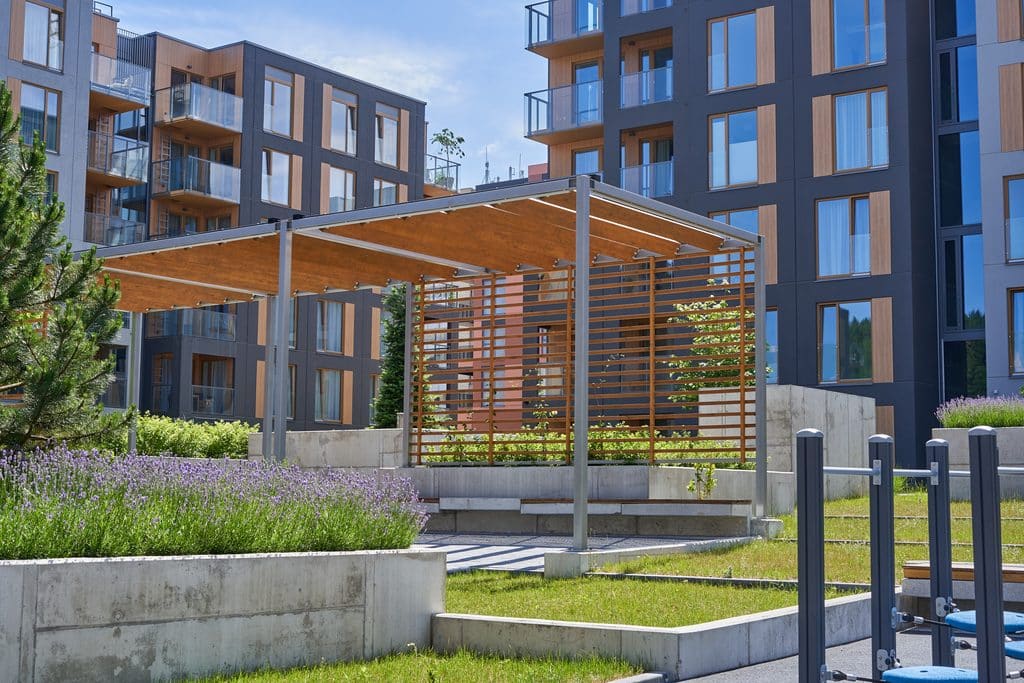
World Cities Day on October 31 is a United Nations’ global observance designed to raise international awareness of urbanisation trends. The 2026 theme of World Cities Day is Regenerating the City: Adequate Housing for All.
This theme is an important one, focusing on urban regeneration and how it can create more inclusive and climate-resilient neighbourhoods. The way we live is evolving, but our housing supply and delivery has to catch up. Otherwise, we will just be left pitching houses to the 25 percent of the market who can afford it, while the remaining 75 percent are left out of the market.
At a rough guess, I’d say 90 percent of current Queensland builds are four- or five-bedroom houses with a double lock up garage. Yet more than half of our population, according to data from the recent Census, is not a traditional household. Households are more multigenerational, not just due to ethnic traditions but also because children are staying home longer as they can’t afford rent or to buy.
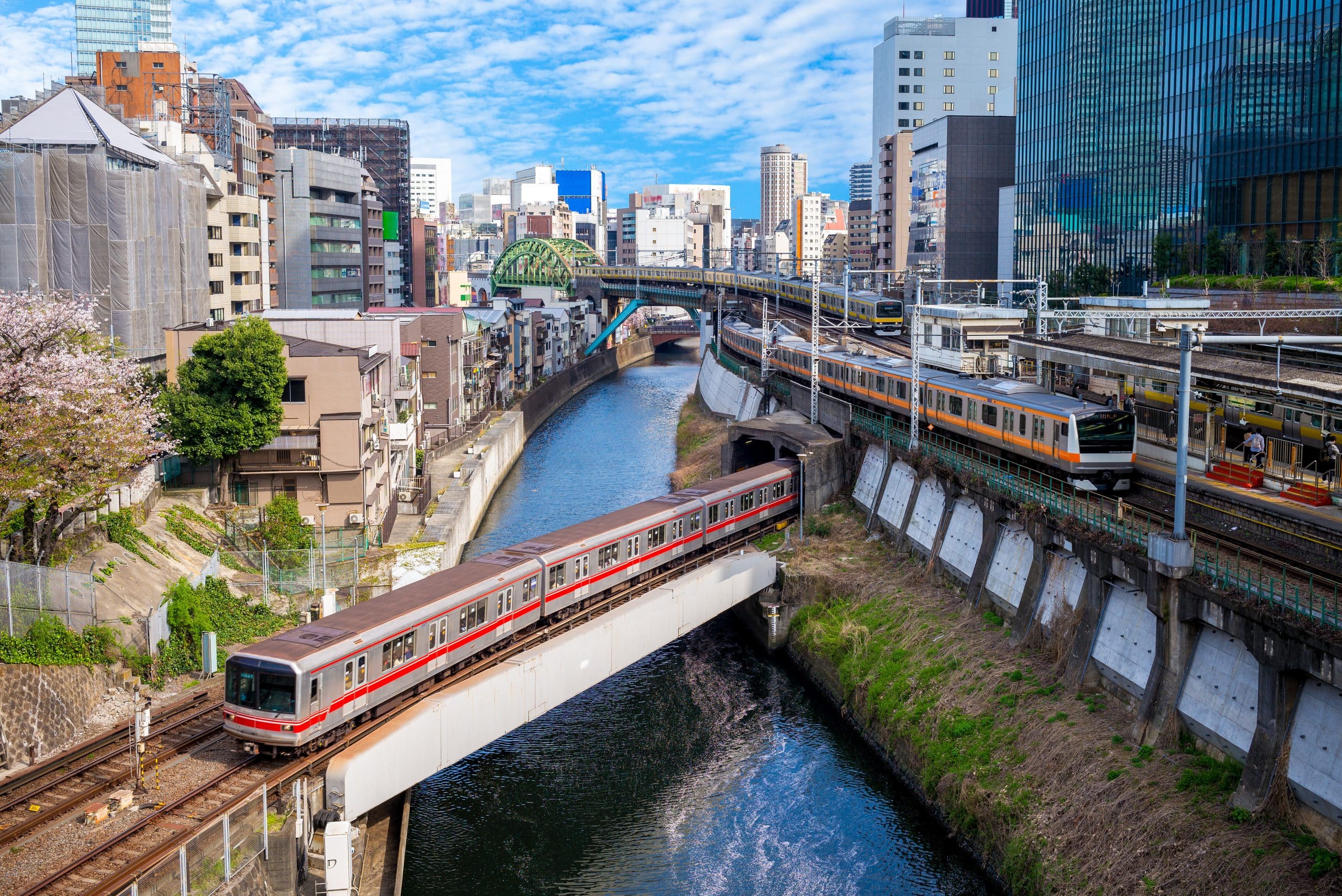
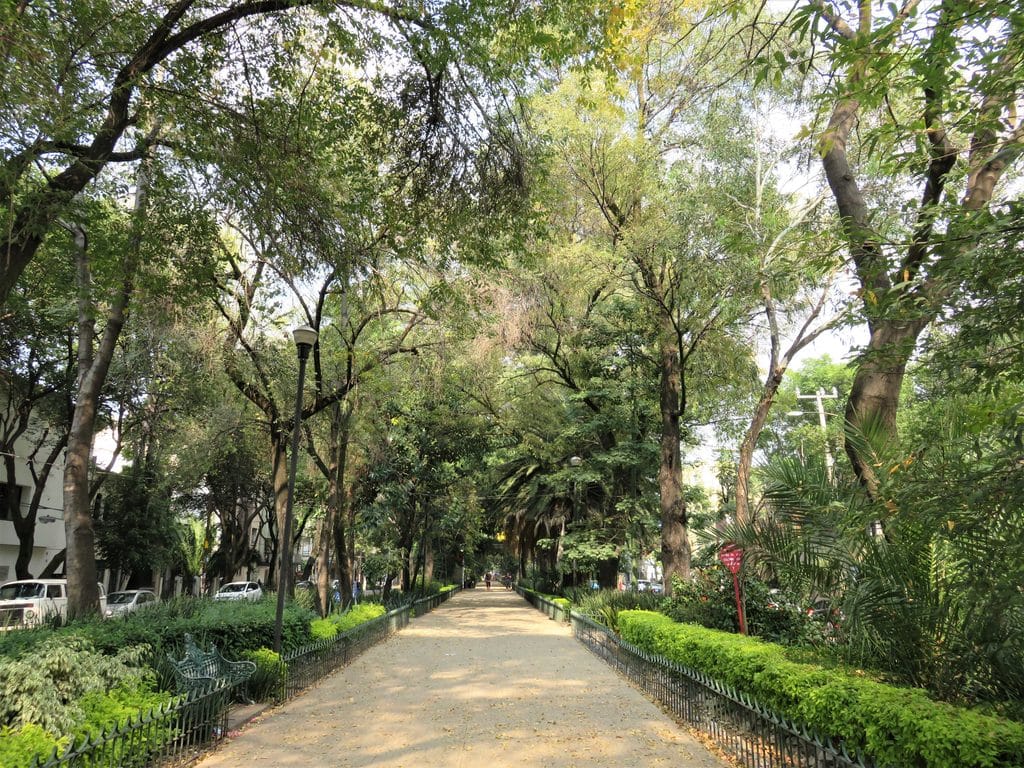
World Cities Day highlights the importance of planning suburbs with good infrastructure, better transport and community facilities, connectivity, and climate resilience, along with public and green space (more trees!) for mental and physical wellbeing.
Part of being more adaptable is moving away from rigidity, nimbyism and the idea that there is only one way to look at housing.
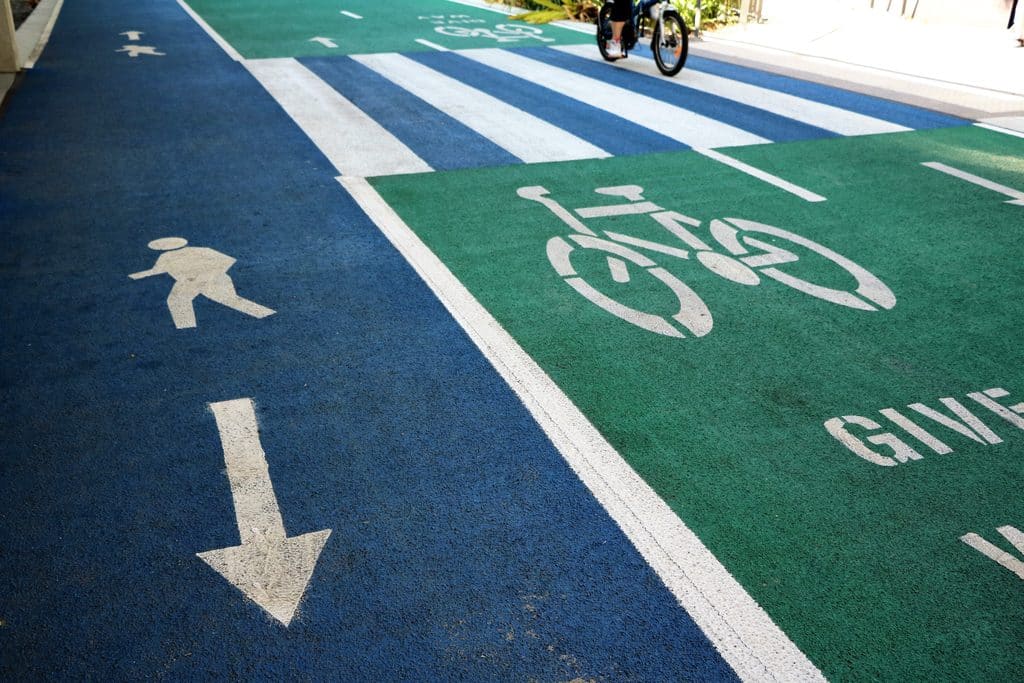
We have way too many controls over what we can do with our homes and within our neighbourhoods. If you want to convert a garage, there are local planning laws to contend with. It’s the same if you want to start a business from home and planning rules may force you into a different premises.
A real issue to address is finance, valuation and banks – we’ve worked on a number of projects where the clients’ desire was a small footprint build of a two-bedroom, one-bathroom, one-garage home.
However, valuers are unsure how to value such a home in a way that is currently meaningful for the banks to approve a loan. We need government to champion innovation in housing, to move away from this style of cookie-cutter thinking.
To provide a range of housing that fits the widest range possible in our communities, we’ve got to move away from the thought that the easiest way to make a dollar from urban development is just to do the same thing over and over.
On this World Cities Day, I’d encourage all within the housing industry to think carefully about how we can deliver quality, meaningful urban outcomes for our communities.
About the author
Brent O’Neill is an urban designer and Director of Strategy and Place at Therefor Group. Brent was recently a guest on ABC Radio National’s Life Matters program discussing urban regeneration ahead of the 2026 Australia’s Future Suburbs Symposium. You can find that interview here.