
Do you go shopping with a list? It’s good thing to have a plan, to manage the complexity of life and deliver confidence. What’s on the list for suburban centre renewal?
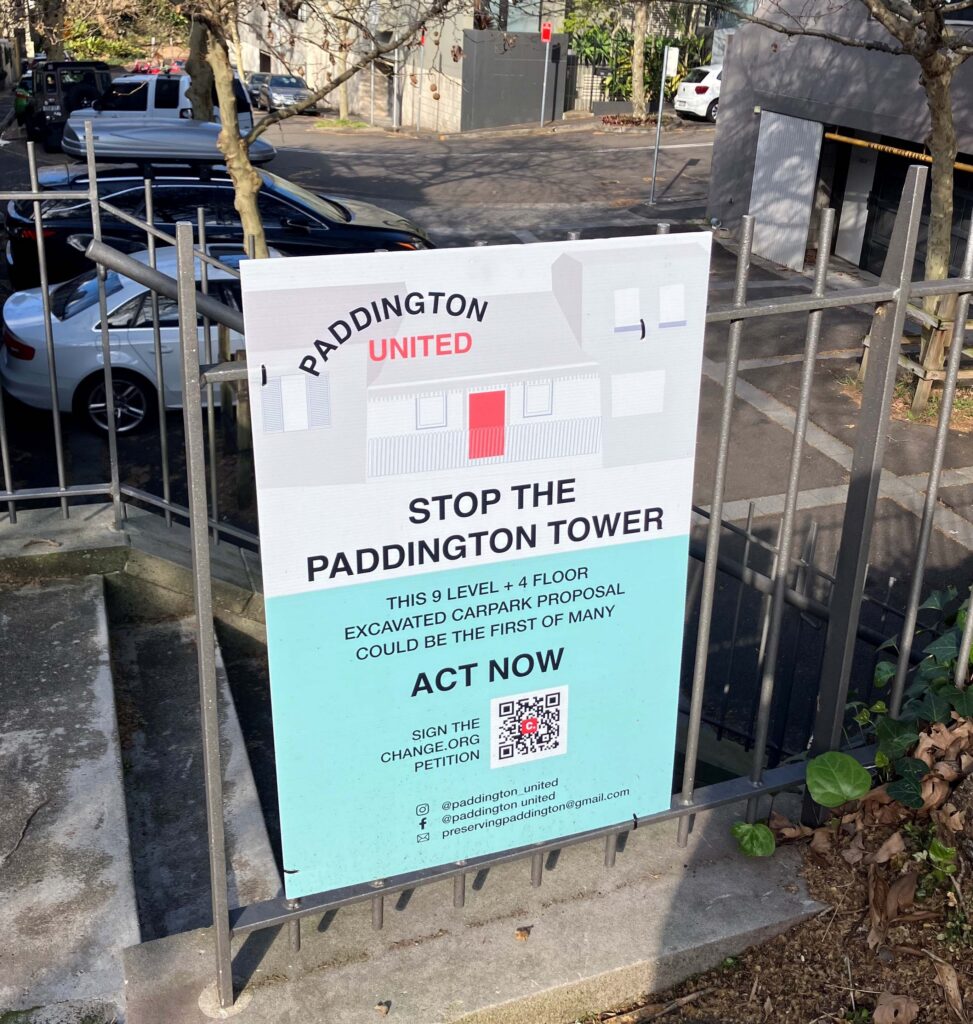
Building height is getting renewed attention in the debate about additional residential supply in well-located suburban settings. Height is emotive – and part of the planning toolkit – but not really the main point. Until we have a better conversation and community engagement addressing the broader characteristics of future development and intended outcomes, we are likely to get stuck in this distracting argument.
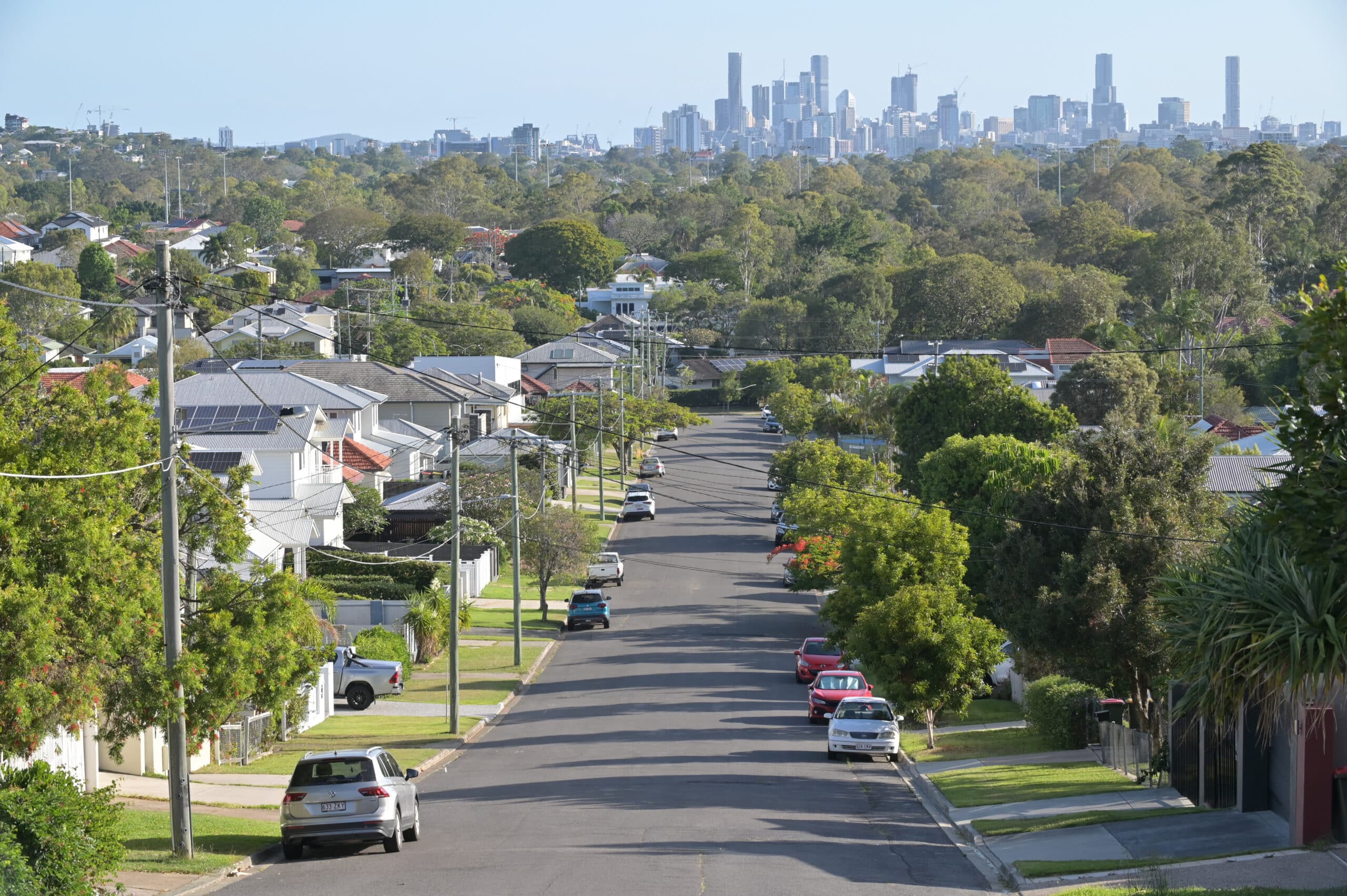
Increased residential density in and around established centres is more than a good thing – or a pragmatic reaction to a current housing shortage; it is an essential part of making a mature city. This is an important step in Brisbane’s growth, land-use efficiency and increased residential diversity.
As a clear shift in development policy, it needs a robust plan – supported by a clearly defined shopping list of the things we need as a tangible outcome from that approach. There’s a community transaction at the heart of this shift and we need the value proposition to be well understood – and delivered as part of a recipe for longer-term success.
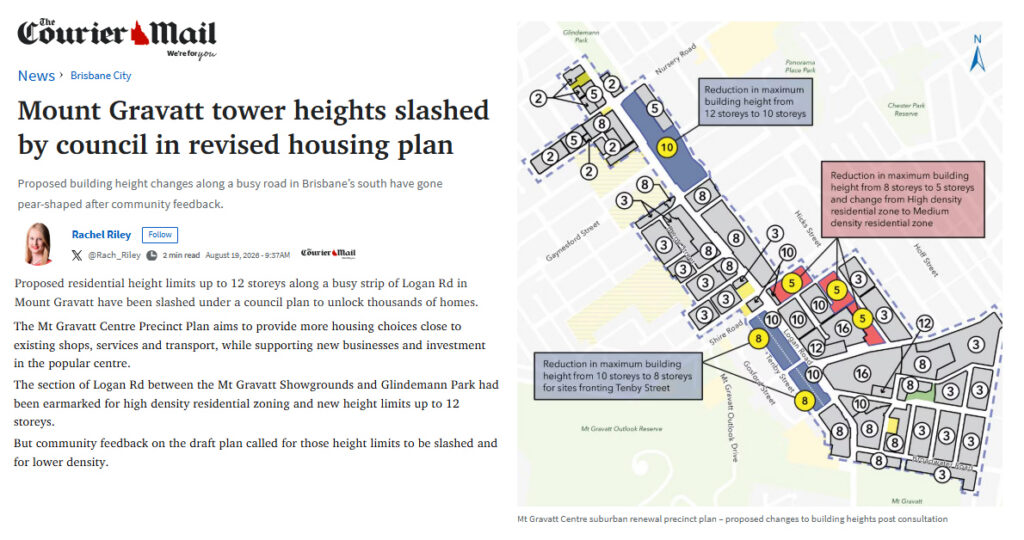
There is convenience to living near services and essential amenities. That’s the lifestyle dividend of increased density and something closer to urban living. But it’s also a significant shift in how we create communities with greater density – and how we should expect that outcome to be different.
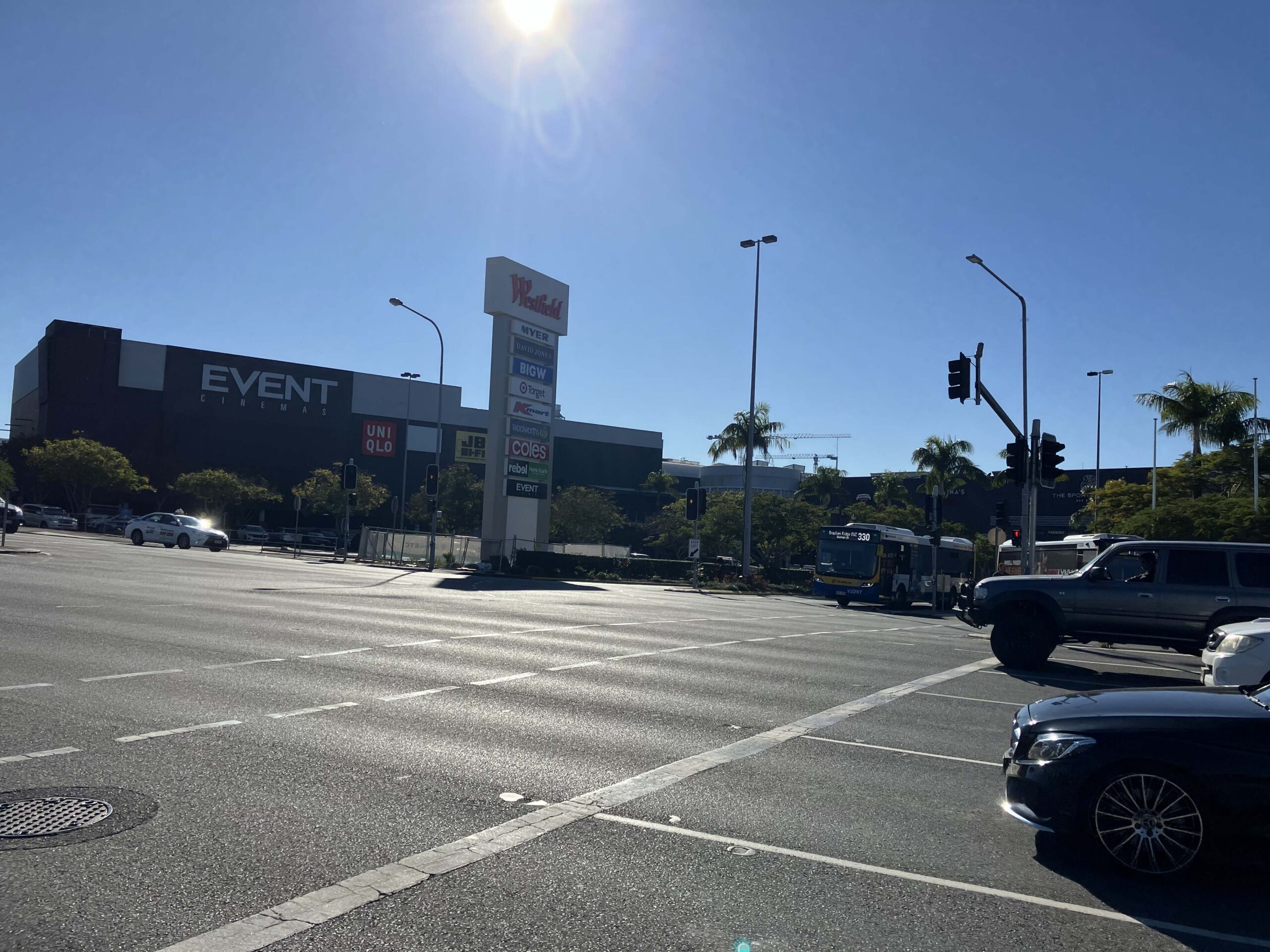
Shopping centres have typically been established with an island zoning. This means that – by design – they stand apart from other different things around them. This reflects the rigid demarcation of places by use. They are islands defined for commercial performance. They are places designed for a specific function that did not include ‘living’. They are the equivalent of the garden shed – with limited emotional attachment and a similarly limited functional remit. Areas are dressed up to deliver a retail or commercial experience, but that’s an intentionally thin and temporary veneer on a very basic set of boxes.
You would probably plan and prepare if you were expecting visitors at home – to deliver hospitality and a warm welcome. If we expect centres to welcome communities then we should expect preparation. Otherwise, we risk a future where future homes are simply stacked onto or squeezed into established centres. That may be pragmatic in the short term, but it’s not the best recipe for longer-term community outcomes. These are not visitors – this will be home. The development transaction needs to deliver the mature legacy we should demand, and that extends well beyond the next round of development.
What is the outcome we are anticipating through this change? Is it anything more than additional homes? It should be. What kind of mature centres do we want to characterize our suburban hubs in future? How will that support opportunities for positive lifestyle change?
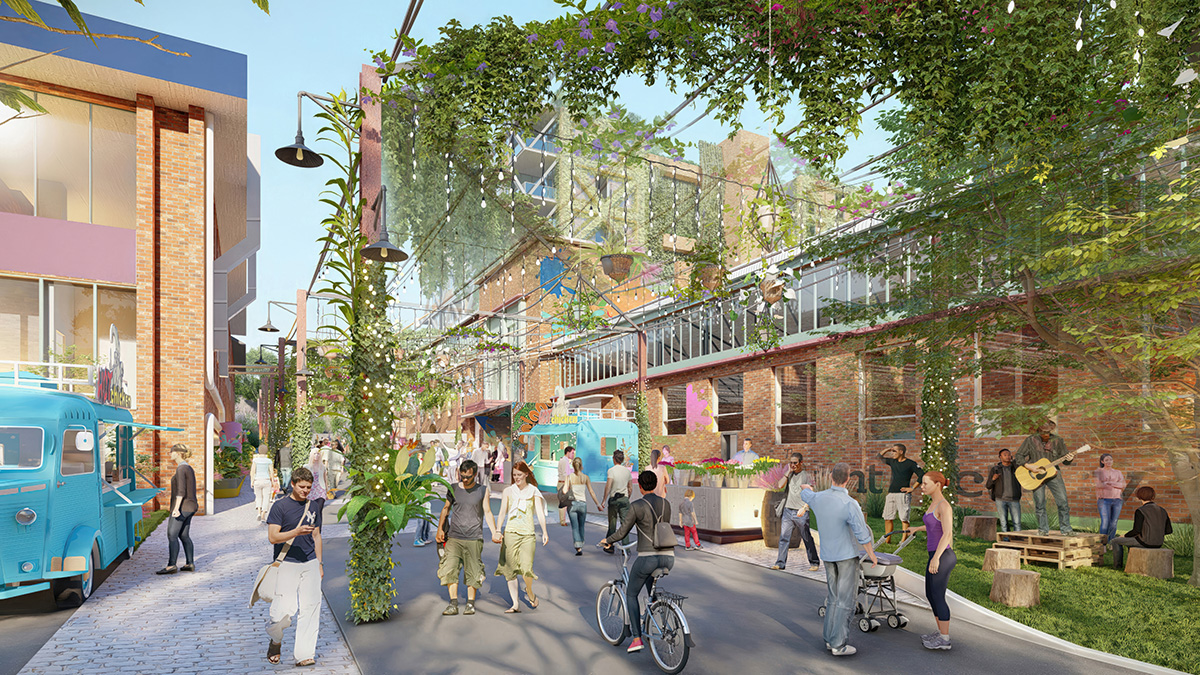
‘Renewal’ is the objective behind development at centres – not just height or density. This demands more than function – more than just ‘more homes’. We need to re-new, re-develop and therefore re-imagine the future of suburban centres, with potential unlocked by a stronger beating heart. This should deliver the catalyst for ripples of future renewal based on a revitalised centre. It should also include consideration of the relationship between growth in employment alongside increased housing density. That’s an obligation if we want to unlock value from established infrastructure and build diverse and interesting hubs at the centre of wider communities.
Like all good shopping lists, my shopping list for renewal has some essentials, a few things I’ve seen elsewhere and a couple of specific treats:
- Understand the specific characteristics of the place, beyond the retail footprint.
- Talk to the local community and key stakeholders. Reimagine suburban centres as community places, with a bold civic character and identity. Shift the focus from commercial centre to civic heart for the immediate and surrounding community.
- Be ambitious and make time to consider audacious change and options – not just development filling in the gaps (break the stuff that’s not really working – or won’t work well into the future).
- Centres were designed in isolation. Consider the role and function of connections, road reserves and other spaces in and around the centres. Re-organisation of the space could unlock additional potential for renewal – particularly in view of space-hungry at-grade parking.
- Evaluate the context and consider future phases of growth and renewal in response to a longer-term plan – not just a short-term opportunity to elevate the value of an asset. Imaging what initial investment could catalyse.
- Consider existing challenges that could be addressed through a renewal approach. What could be achieved to unlock maximum potential.
- Deliver a diversity of housing outcomes, to support a diverse community.
- Ensure future centres enhance residential and employment outcomes.
- Build a business case in response to a phased approach to future change, to understand tipping points for future value relative to short-term costs and leasing implications.
- Consider uplift to retail performance as part of the equation – including a mix of additional complementary uses and expanded potential to respond to a more mature civic outcome (integrated government services, social infrastructure).
- Increased density in and around public transport hubs should be an obligation, so should a minimum benchmark for a different type of living proposition. For example; How could new dwellings benefit from aggregation in delivering sustainable energy systems – or other smart synergies such as shared car use?
- Confidently define the first phase of investment and change based on a robust plan that meets the market and unlocks maximum potential. We don’t need to know everything about future phased outcomes at the outset in a longer-term process, but can learn from early steps.
Maturity through ambitious change should be the focus, and also the obligation. The outcome should look, feel and perform like a suburban centre that has been ‘re-newed’ – re-imagined – not the old shopping centre with some residential density squeezed into the gaps, or balanced on top.
Change in established places is never easy. It takes time and requires trust and coordination. Maturity in development and community outcomes should coexist with increased maturity in community engagement – they go hand in hand to build confidence and understanding. Engagement to make a robust future plan is a great place to start to consider what could be possible – and most valuable.