

Housing and crime continue to dominate public discourse, shaping political debate and policy agendas across local, state and national levels.
However, while these issues often occupy the same agendas, they are usually regarded separately.
Despite this, these issues share deep and complex interconnections rooted in social, spatial and systemic factors, and I firmly believe that by examining housing, crime and urban design together, we can develop holistic, cross-sector policy solutions for more resilient neighbours.
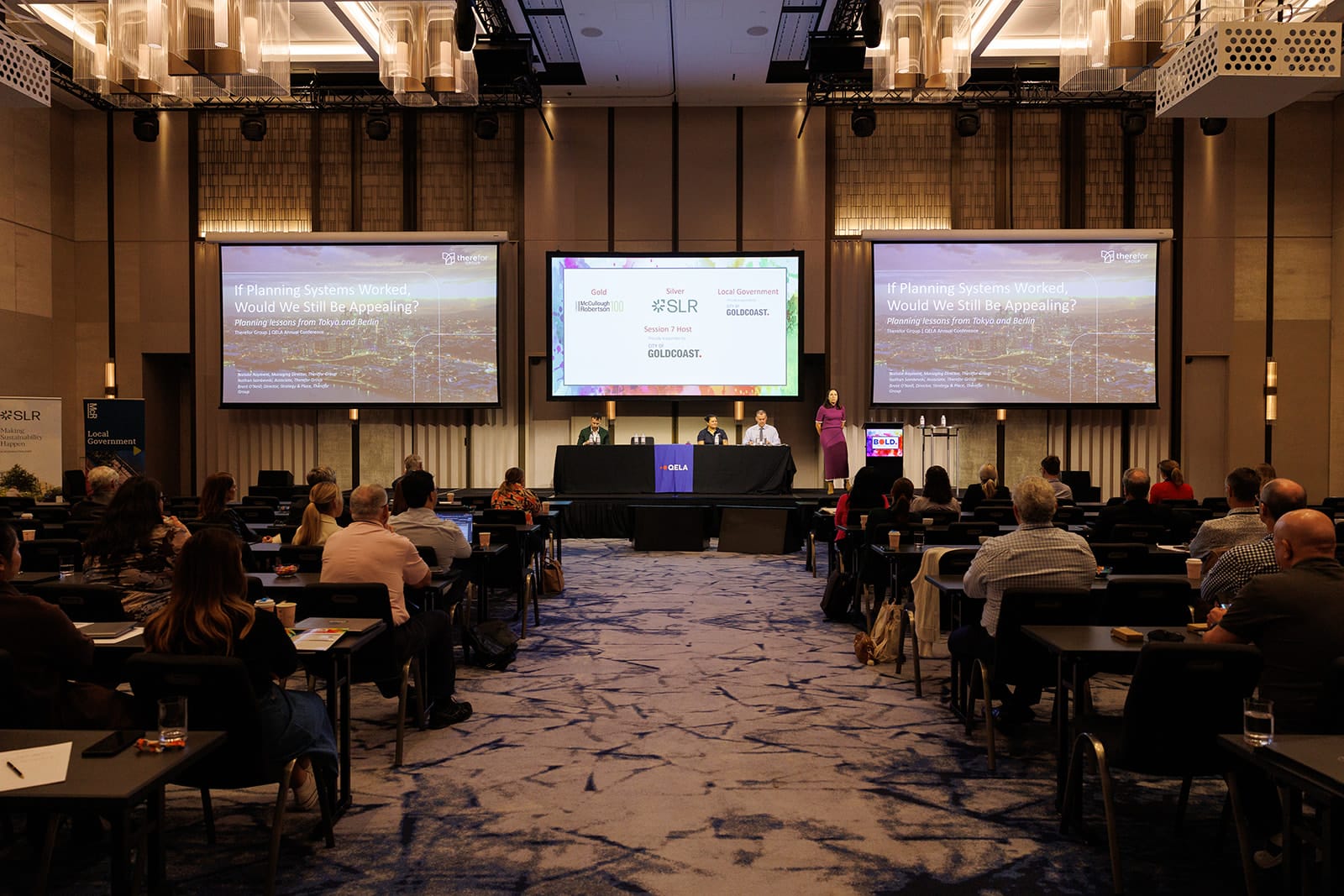
With this belief, the theme of this year’s Planning Institute of Australia Queensland Conference couldn’t have come at a better time. This year’s conference theme, Beyond Planning: Building Resilient Futures Through Collaboration, recognises that today’s planning challenges cannot be addressed by planners working in isolation, instead calling for integrated, cross-disciplinary solutions.

Alongside my sister, Associate Professor Susan Rayment-McHugh, a criminologist, psychologist and leader in sexual violence and abuse prevention and colleague, Brent O’Neill, Therefor Group’s Director – Strategy & Place, I’ll be focusing on the sub-theme Collaborative Solutions for a Constrained Future with our presentation, Housing, Crime and the Spaces we Share.
Drawing on Cairns – where the conference will be hosted – and other international cities, we’ll be exploring how local planning, housing policy, and urban design intersect with patterns of crime, social engineering and community wellbeing.
As our state grows alongside global cities and regions, we have a valuable opportunity to consider more holistic and resilient solutions to create safer, more inclusive communities, while acknowledging the interdependence of people, place and policy at the heart of effective planning.
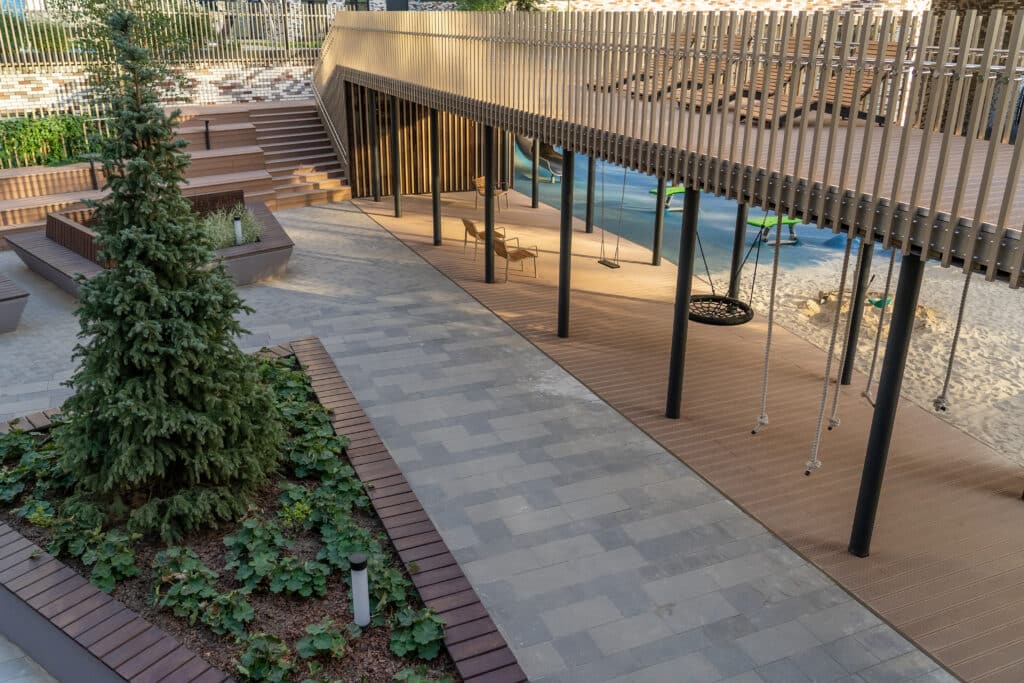
Looking towards Queensland’s future, it’s vital that instead of addressing issues as singular with one discipline working towards a solution, that a collaborative approach becomes commonplace. Integrating criminology with urban planning and design is just one example of how this can be put into practice, and I look forward to exploring the topic further at this year’s PIA conference.
I highly recommend making the time to attend this conference and connect with the wider industry, while exploring this year’s very timely theme. Registrations are open until 7 August and are available here.